The popularity of glass fiber reinforced polymer (GFRP) is on the rise particularly in applications where corrosion-resistant is a major concern. We know that corrosion is a costly problem. Trillions of dollars are spent annually on resolving issues related to metallic corrosion. So far as facts are concerned, the annual direct cost of metallic corrosion is over 2.2 trillion US dollars. The United States alone spend 423 billion dollars as an annual cost of corrosion.
Steel corrosion is a natural and global phenomenon. You can understand now how much money we can save if we employ corrosion protection methods properly. Let’s talk about corrosion in detail before we can move on to how glass fiber reinforced polymer can save your projects from corrosive agents.
Definition and effects of corrosion
Steel and iron have that natural tendency to mix up with chemical elements so that they could return to their lowest energy states, similar to the tendency of water that flows to the lowest point. When iron and steel combine with water and oxygen, hydrated iron oxides, also called rust, is formed. Corrosion can simply be defined as a chemical reaction between a material and its environment. This chemical or electrochemical reaction causes deterioration of materials.
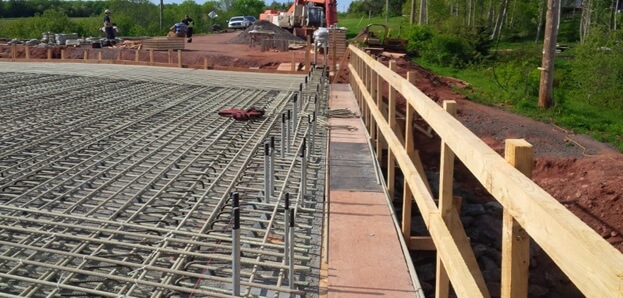
We are well aware of how corrosion has been effecting service lives of our possessions. Incidents such as collapsed bridges and damaged sections of highways are some of the common sights that directly linked to corrosion. Following are the reasons why you should use fiberglass rebar in order to dramatically increase the service life of your project.
-
Fiberglass Rebar is corrosion-resistant
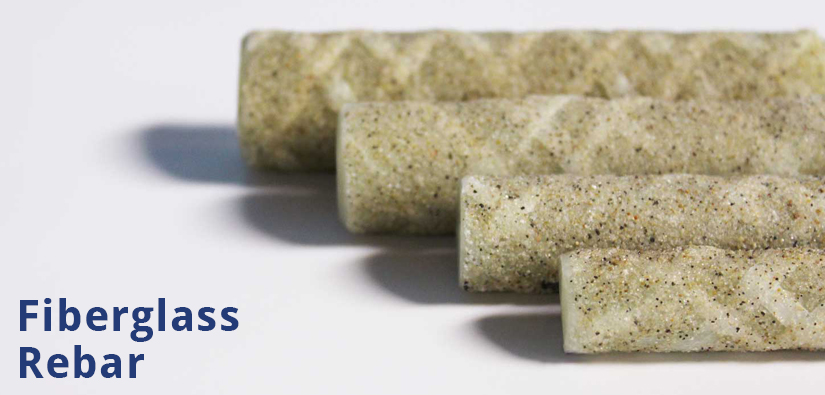
As it is mentioned in the start that glass fiber reinforced polymer has gained considerable space over steel in applications where corrosion is a big threat. Fiberglass rebar offers a comprehensive corrosion solution. A concrete structure reinforced with fiberglass rebar does not react to the chloride-rich environment.
-
A perfect alternative to traditional concrete reinforcement
Glass fiber reinforced polymer (GFRP) rebar has turned out to be a perfect alternative to traditional reinforcement materials such as black rebar and epoxy coated rebar. Traditional reinforcement techniques have failed to develop a corrosion-free mechanism that can keep concrete structures in good shape.
-
Long service life
Glass fiber reinforced polymer, chemically inert reinforcement, is an economical way of achieving a long service life of your project. Old reinforcement materials might seem inexpensive, however, they can cost you a lot of money in the long-term. By applying fiberglass rebar, you can not only save money in long-term but also make your project completely rust free.
-
A wide range of applications
Fiberglass rebar can be used in a wide range of applications including marine structures, IT, and medical facilities. It is non-conductive and non-magnetic construction material ideal for medical and scientific facilities.
-
Save time and money
Maintenance cost multiplies the amount spent on inexpensive concrete reinforcement bars. Sustainability is one of the biggest concerns for the projects built with steel rebar. Fiberglass rebar provides sustainability by making concrete structures invulnerable to corrosive agents. Make sure you are using the right material for your construction projects that can save you money and time in the long-term.