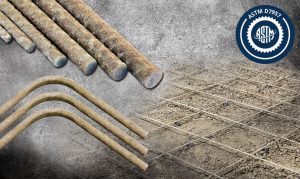
Fiberglass rebar is rapidly gaining recognition in the construction industry as a durable, corrosion-resistant alternative to traditional steel reinforcement. However, with innovation comes skepticism, and there are several misconceptions surrounding the use of fiberglass rebar. In this blog post, we aim to debunk these myths and shed light on the undeniable benefits of incorporating fiberglass rebar into Canadian construction projects.
Fiberglass Rebar is Not as Strong as Steel
One prevalent misconception is that fiberglass rebar lacks the strength of its steel counterpart. In reality, fiberglass rebar boasts impressive tensile strength, rivaling that of steel. Its unique combination of strength and flexibility makes it an ideal choice for various construction applications.
Fiberglass Rebar is Prone to Corrosion
Contrary to popular belief, fiberglass rebar is inherently corrosion-resistant. This characteristic is particularly advantageous in Canada’s diverse climate, where exposure to harsh weather conditions can compromise traditional steel reinforcement over time. Fiberglass rebar thrives in challenging environments, ensuring longevity and structural integrity.
Fiberglass Rebar is Expensive and Not Cost-Effective
While the initial cost of fiberglass rebar may seem higher than that of steel, it is crucial to consider the long-term benefits. Fiberglass rebar’s resistance to corrosion eliminates maintenance costs and extends the lifespan of concrete structures, ultimately offering a cost-effective solution over the project’s lifecycle.
Fiberglass Rebar is Challenging to Install
Another misconception is that the installation of fiberglass rebar is complex. On the contrary, fiberglass rebar is lightweight and easy to handle, simplifying the installation process. Contractors often find that working with fiberglass rebar is not only efficient but also reduces labor costs associated with heavy steel reinforcement.
Fiberglass Rebar is Not Environmentally Friendly
In today’s eco-conscious construction landscape, sustainability is a top priority. Fiberglass rebar is inherently eco-friendly, as it is non-corrosive and does not leach harmful chemicals into the soil or water. Choosing fiberglass rebar aligns with sustainable construction practices, making it an environmentally responsible choice. According to a recent study GFRP reinforced beams produce 43% less CO2 emissions compared with steel and reduce energy consumption by almost half
In dispelling these common misconceptions about fiberglass rebar, it becomes evident that this innovative material holds significant promise for the Canadian construction industry. As we move toward more sustainable and resilient building practices, fiberglass rebar stands as a reliable and cost-effective solution, challenging preconceived notions and shaping the future of construction in Canada. For inquiries about incorporating fiberglass rebar into your projects, contact TUF-BAR one of the top fiberglass rebar manufacturers in Canada.