Blog

Featured

Ensuring Longevity: Tips for Proper Installation and Maintenance of Fiberglass Rebar

Fiberglass rebar has emerged as a game-changer in the construction industry, offering a lightweight, corrosion-resistant alternative to traditional steel rebar. However, like any construction material, proper installation and maintenance are critical to ensuring optimal performance and longevity. In this blog post, we’ll delve into essential guidelines and best practices for contractors and builders working with fiberglass rebar.

Installation Tips: Building a Solid Foundation

Ensuring a durable and long-lasting structure begins with the proper installation of fiberglass rebar. Start by thoroughly understanding the manufacturer’s guidelines and recommendations for installing fiberglass rebar. This includes specifications for diameter, spacing, and placement within the concrete structure.

You will then need to start by meticulously preparing the site, clearing away debris, and ensuring a level surface. During installation, attention to detail is key – use appropriate spacing and alignment to maximize the rebar’s reinforcing potential. Additionally, consider the depth at which the fiberglass rebar is placed, accounting for the specific requirements of your project. As you secure the rebar in place, be sure to follow industry best practices, taking into account the structural demands of your construction. The success of your construction project hinges on a well-executed foundation in order to build a resilient and enduring structure.

Prevent Damage During Handling:

Fiberglass rebar is known for its durability, but it’s not indestructible. Handle it with care during transportation, storage, and installation to avoid potential damage that could compromise its structural integrity. When not in use ensure that you store fiberglass rebar on a flat, level surface to prevent bending or warping. Avoid stacking materials on top of the rebar and keep it away from sharp objects that could scratch or damage the surface.

Fiberglass rebar is susceptible to damage from prolonged exposure to UV radiation. If the rebar will be exposed to sunlight during construction, consider covering it or using UV-resistant coatings.

Ensure Proper Alignment and Spacing:

Accurate placement is crucial for the effectiveness of fiberglass rebar. Use spacers and supports to maintain the correct alignment and spacing as specified by the project’s engineering plans.
Use Compatible Materials:

When choosing other construction materials, such as concrete mix and adhesives, ensure compatibility with fiberglass rebar. This will help prevent any adverse reactions that could compromise the performance of the rebar.

Maintenance Best Practices: Preserving Performance Over Time
Regular Inspections:

Implement a routine inspection schedule to assess the condition of the fiberglass rebar. Look for signs of damage, including cracks, chips, or exposure to harsh elements.

Cleanse Exposed Rebar Surfaces:

In environments with high chemical exposure or corrosive elements, regular cleaning of exposed rebar surfaces is essential. Use a mild detergent or recommended cleaning solution to remove any potential contaminants.

Address Repairs Promptly:

If any damage is detected during inspections, address repairs promptly. Follow the manufacturer’s guidelines for repair materials and methods to ensure a seamless and effective restoration.
Protect Against UV Exposure:

If fiberglass rebar is exposed to sunlight during construction or after installation, consider applying a UV-resistant coating to prevent degradation from prolonged exposure to ultraviolet rays.
Document Maintenance Activities:

Keep detailed records of maintenance activities, including inspection dates, repairs made, and any changes in environmental conditions. This documentation can be valuable for future reference and can assist in identifying patterns or potential issues.

Preserving the Strength of Fiberglass Rebar

Proper installation and maintenance are paramount to unlocking the full potential of fiberglass rebar in construction projects. By adhering to manufacturer guidelines, incorporating best practices, and staying vigilant with routine inspections, contractors and builders can ensure the longevity and optimal performance of fiberglass rebar structures. In doing so, we contribute to the advancement of durable, sustainable, and resilient construction practices in the years to come. For more information on fiberglass rebar products contact us today.
Featured

Unveiling the Truths: Myths Surrounding Fiberglass Rebar in Construction

Fiberglass rebar is rapidly gaining recognition in the construction industry as a durable, corrosion-resistant alternative to traditional steel reinforcement. However, with innovation comes skepticism, and there are several misconceptions surrounding the use of fiberglass rebar. In this blog post, we aim to debunk these myths and shed light on the undeniable benefits of incorporating fiberglass rebar into Canadian construction projects.

Fiberglass Rebar is Not as Strong as Steel

One prevalent misconception is that fiberglass rebar lacks the strength of its steel counterpart. In reality, fiberglass rebar boasts impressive tensile strength, rivaling that of steel. Its unique combination of strength and flexibility makes it an ideal choice for various construction applications.

Fiberglass Rebar is Prone to Corrosion

Contrary to popular belief, fiberglass rebar is inherently corrosion-resistant. This characteristic is particularly advantageous in Canada’s diverse climate, where exposure to harsh weather conditions can compromise traditional steel reinforcement over time. Fiberglass rebar thrives in challenging environments, ensuring longevity and structural integrity.

Fiberglass Rebar is Expensive and Not Cost-Effective

While the initial cost of fiberglass rebar may seem higher than that of steel, it is crucial to consider the long-term benefits. Fiberglass rebar’s resistance to corrosion eliminates maintenance costs and extends the lifespan of concrete structures, ultimately offering a cost-effective solution over the project’s lifecycle.

Fiberglass Rebar is Challenging to Install

Another misconception is that the installation of fiberglass rebar is complex. On the contrary, fiberglass rebar is lightweight and easy to handle, simplifying the installation process. Contractors often find that working with fiberglass rebar is not only efficient but also reduces labor costs associated with heavy steel reinforcement.

Fiberglass Rebar is Not Environmentally Friendly

In today’s eco-conscious construction landscape, sustainability is a top priority. Fiberglass rebar is inherently eco-friendly, as it is non-corrosive and does not leach harmful chemicals into the soil or water. Choosing fiberglass rebar aligns with sustainable construction practices, making it an environmentally responsible choice. According to a recent study GFRP reinforced beams produce 43% less CO2 emissions compared with steel and reduce energy consumption by almost half

In dispelling these common misconceptions about fiberglass rebar, it becomes evident that this innovative material holds significant promise for the Canadian construction industry. As we move toward more sustainable and resilient building practices, fiberglass rebar stands as a reliable and cost-effective solution, challenging preconceived notions and shaping the future of construction in Canada. For inquiries about incorporating fiberglass rebar into your projects, contact TUF-BAR one of the top fiberglass rebar manufacturers in Canada.

Featured

Fiberglass Rebar and Public Transportation

fiberglass rebar or Fiber-reinforced polymer (FRP) rebar is used in many construction applications throughout the world. In fact the global FRP rebar market is expected to grow from USD 186 million in 2021 to USD 344 million by 2026, at a CAGR of 13.0% during the forecast period.

One of the major applications that fiberglass rebar is commonly used in is for its use in the public transportation sector. There are various structures within this industry that require the use of rebar when constructing.

Fiberglass Rebar in Subways and Rail systems

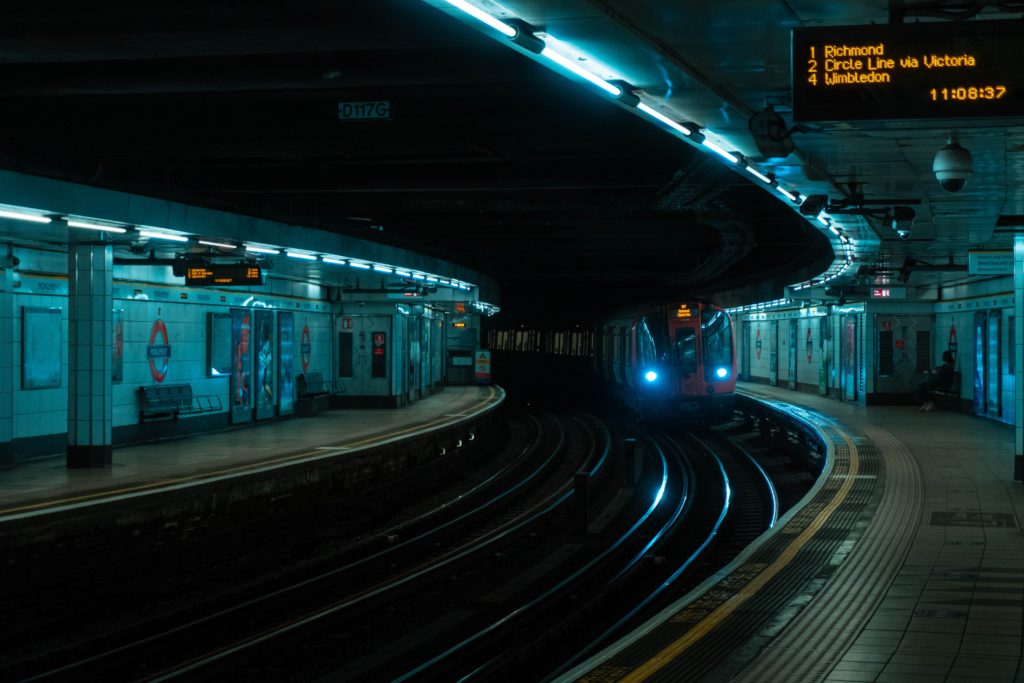
When building a subway or LRT system the use of rebar is used in retaining walls and for the ground concrete structure of the system. Down time and construction of a subway system can be costly and require the system to be down for long periods of time. In order to reduce the potential of corrosion and damage the use of fiberglass rebar will allow an underground to last for 100+ years. When it comes to self driving systems, Electric trains, in particular, require there to be little to no magnetic or conductive reinforcement materials used and our rebar products are 100% non-conductive and non-magnetic.

Fiberglass Rebar in Bus Stops

The surface of the roadway at bus stops are sometimes built with fiberglass concrete slabs. The bus stops built with epoxy coated and untreated steel rebar can expect to corrode in as little as 10 – 15 years and major restoration work will be required as time goes on. Concrete slabs reinforced with TUF-BAR Fiberglass Rebar will be able to stay in good shape even after 100 years. For more information on fiberglass rebar contact us today.

Featured

Retaining Walls and Fiberglass Rebar Advantages

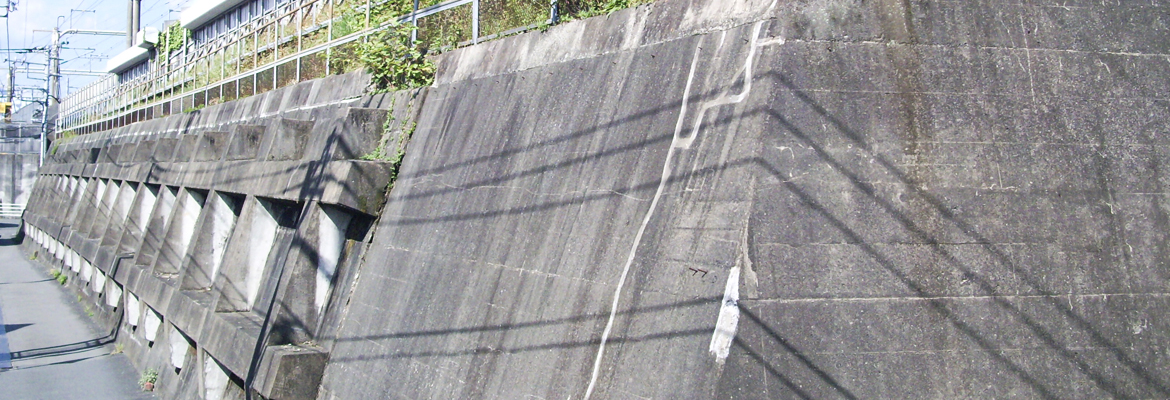
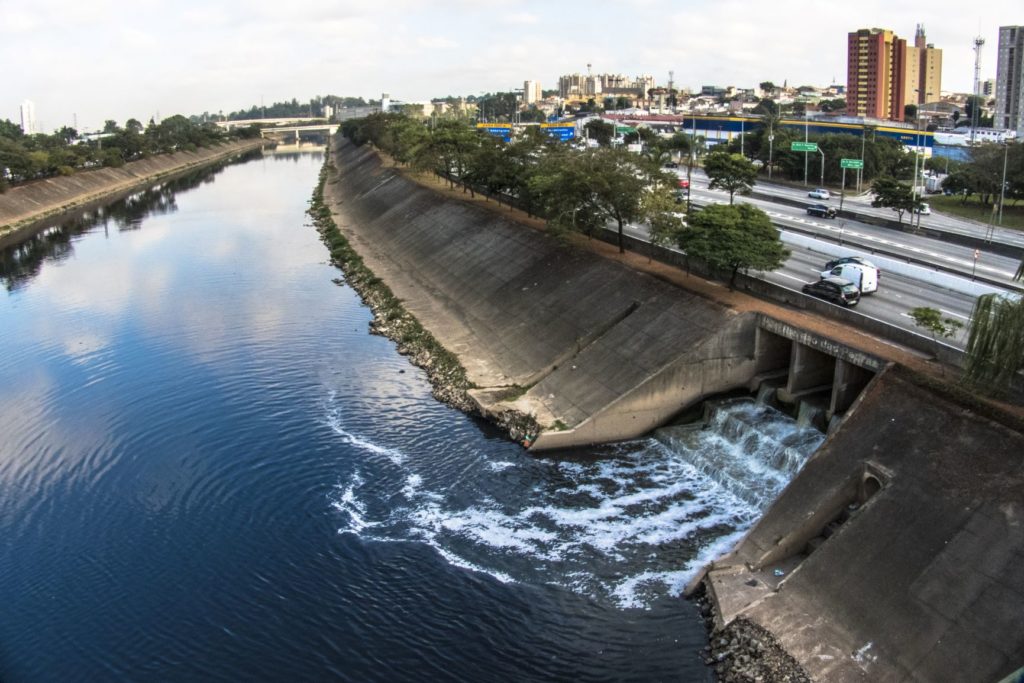
Retaining walls are used in various applications to hold back a large amount of soil or sand that would not typically stand at that specific angle, typically a very steep slope or hill. This helps to avoid erosion They are used on roadways, coastal lines, and landscaping. When it comes to coastal lines where soil or eath is on the backside and water on the front side it is called a seawall.

They are one of the most exposed concrete structures as they are prone to salt and water damage. Retaining walls are used on roadways where they can be splashed by water and dirt or along coastal walkways and barriers where the saltwater can eat away at the structure. The weight of the saturated soils behind the walls can also push against and that can cause it to break apart in some cases or have poor drainage solutions.

retaining walls and fiberglass rebar

Fiberglass rebar holds a large advantage over steel rebar when it comes to structures such as retaining walls. Structures can corrode over time which is a chemical reaction between any material and its environment and can cause deterioration of materials. Corrosion-resistant options will save money and time long term especially in structures such as retaining walls that pose a costly risk to tear down after rebar has corroded. Fiberglass rebar is a corrosion-resistant product and will not rust even in harsh environments such as salt, chemicals, chloride, or the alkaline present in concrete.

Fiberglass rebar also has a stronger tensile strength than other forms of rebar. It has double the tensile strength and is only a quarter of the weight of steel rebar.

Learn More – Fiberglass Rebar Advantages

To learn more about retaining walls and fiberglass rebar contact us today.

Featured

Fiberglass Licensing Opportunities

Fiberglass and Composite Rebar Licensing

The fiberglass rebar market continues to grow in 2020 and beyond. Major drivers of growth for this market are an increase in new transportation construction and growth in commercial and residential construction. This also includes marine structures and waterfronts.

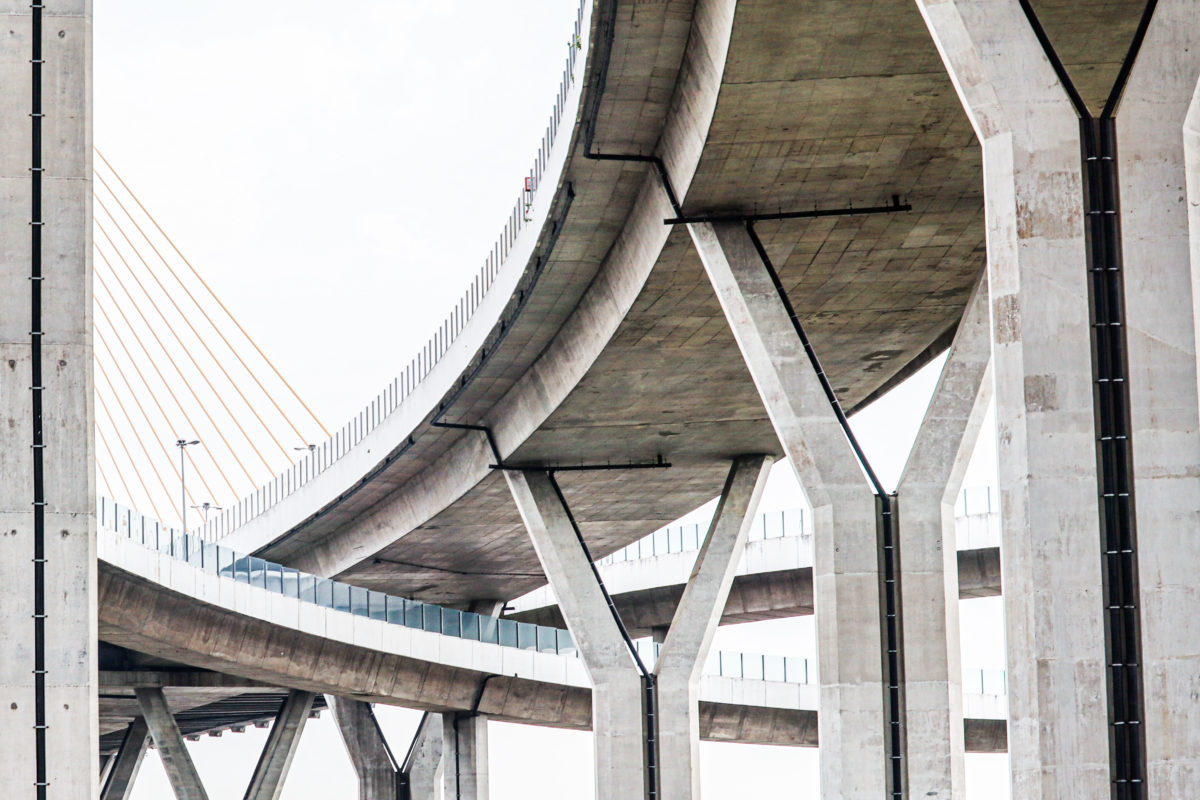
A large opportunity exists in the North American Market with over a quarter of bridges needing to be rebuilt or restructured. In fact, the amount of deficient bridges is almost 55,000 in the United States alone, according to the Federal Highway Administration. As urban cities continue to grow, parking garages another application that uses fiberglass rebar are needed to be built for residents and shopping centers. The Globe and Mail speaks on the future of parking lots.

There are options when it comes to rebar to use in applications. Steel, epoxy coated, and fiberglass is among the main contenders. TUF-BAR™ fiberglass rebar products are ideal for a variety of concrete applications, especially because of the no susceptibility to corrosion and harsh environmental conditions. It also has double the amount of tensile strength and is a quarter of the eight of steel.

When it comes to distributing fiberglass there is a reduction in costs by cutting down on the use of labor, decreased installation charges, reduced need for maintenance, and the product itself has a longer lifespan than many medals.

A licensing opportunity exists to produce fiberglass rebar through the TUF-BAR™ licensing program. This is a Turn-key operation that includes state-of-the-art equipment, ISO ready procedures, training, and patented technology to produce fiberglass rebar. An extensive amount of design codes apply to GFRP rebar as it differs from steel rebar. Licensing a fiberglass rebar business for distribution covers all design codes from the United States to Canada and International guidelines.

TUF-BAR™ uses a lean manufacturing process with a highly automated system to create optimal efficiency. To learn more about this opportunity, licensing and our fiberglass rebar producing machines contact us today.

Featured

The TUF-BAR™ Solution | New Video | Fiberglass Rebar

Introducing The TUF-BAR™ Solution for fiberglass rebar

Why Use TUF-BAR™

Fiberglass rebar is the ultimate corrosion resistance solution with zero rust and zero maintenance. Therefore less concrete cover is then needed for all concrete applications.

TUF-BAR™ Fiberglass rebar has 2x tensile strength and is 1/4 the weight of steel. It is also non-conductive and non-magnetic making is the perfect rebar for steel free applications.

How is TUF-BAR™ Manufacted?

Using only the highest quality corrosion resistant vinyl ester resin and fiberglass materials, TUF-BAR™ has developed propriety applications for unique market applications. This process is tested approved and ready for your country. We combine efficiency with our simple and proven process. Our Fiberglass rebar is also capable of being bent into various shapes and sizes for all of your needs.

TUF-BAR™ Sustainability

Over 20 years of worldwide applications

200 Bridges throughout North America

Hundreds in diverse applications

Huge savings

Zero maintenance

Zero corrosion

How Much Will You Save?

Over a period of time, the cost of steel applications can sum up to hundreds of thousands to even millions of dollars in maintenance. TUF-BAR™ is an eco-friendly solution that eliminates maintenance costs that steel rebar would normally. Rust will still be produced over time even with other solutions such as epoxy-coated steel, stainless steel, and galvanized steel. Fiberglass rebar is a long term investment.

For more information contact us today.

Featured

TUF-BAR Attending World of Concrete in Las Vegas NV

TUF-BAR will be attending the World of Concrete 2020. The event is located in Las Vegas, NV and is the commercial construction industry’s first, largest, and most important annual international event for concrete and masonry professionals across the globe. TUF-BAR looks forward to collaborating and meeting with other industry professionals and vendors.

TUF-BAR, which is a company that manufactures fiberglass rebar and machines to produce fiberglass rebar will have a booth at the show. For more information on fiberglass rebar and licensing opportunities visit us at the North Hall booth # N3106 or contact us anytime.

World of Concrete Attendees

More than 60,000 industry professionals from all around the world, representing all segments of the construction industry: Commercial Contractors, Concrete Contractors, Concrete Pumpers, Construction Managers, Dealers/Distributors, Decorative Concrete Contractors, Designers and Specifiers, General Contractors, Block/Segmental Unit Producers Masonry Contractors, Architects, Engineers, Block Producers, Ready Mix Producers, Rental Equipment Centers, Repair Contractors, Residential Contractors, Specialty Concrete Contractors, Precast, Pipe and Block Producers, Precast/Prestressed Producers, and more. There will be over 1500 vendors at the show.

Show Details

The World of concrete is located at the Las Vegas Convention Centre

3150 Paradise Road

Las Vegas, NV 89109

Phone: 702-892-0711

Toll-Free: 877-847-4858

Show Hours:

Tuesday – Thursday, February 4-6 – 9:30 am – 5:00 pm

Friday, February 7 – 9:00 am – 12:00 pm

TUF-BAR will be located in the North Hall at booth #N3106

Featured

Fiberglass Rebar Vs. Steel Rebar Cost

When comparing the costs of fiberglass rebar vs. steel rebar it can be easily stated the difference in the initial cost. However, there are many reasons why fiberglass rebar ends up becoming a more affordable competitor to steel rebar options.

Steel rebar has susceptibility to corrosion or oxidation when exposed to salts, aggressive chemicals, and moisture. As it corrodes, steel rebar swells and increases the tensile load on the concrete, which begins to crack and spall, creating openings that lead to further and faster deterioration of the steel and concrete. This causes costly repair and maintenance and, if allowed to progress far enough, it can compromise the structure’s integrity Fiberglass rebar is effective in saving costs by removing the need for future repairs.

Fiberglass rebar can also lower costs by cutting down on the use of labor, decrease installation charges, reduce the need for maintenance, and has a longer lifespan than many medals. It also has a high threshold of bearing impacts so damage is minimized while loading or unloading material. Fiberglass rebar also has no susceptibility to corrosion, 2x the tensile strength, 1/4 the weight of steel and 45 GPa and 60 Gpa Modulus of elasticity. It will also helo to maintain cosmetically attractive structures over time resulting in higher property resale values.

Typically when it comes to black steel structures, it will need rehabilitation in as little as 5 to 10 years and frequently need major rehabilitation within 20 years. TUF-BAR is a proud manufacturer of Fiberglass rebar and accessories. With headquarters and production facilities in Canada, we also operate out of the United States as well. We take pride in being a pioneer in the fiberglass industry.

Featured

Fiberglass Rebar Environmentally Friendly Factors

Not only does fiberglass rebar provide long-lasting solutions it is an environmentally friendly product for building sustainable concrete structures. The Environmental Protection Agency defines sustainable manufacturing as “the creation of manufactured products through economically-sound processes that minimize negative environmental impact while conserving energy and natural resources.”

TUF-BAR Fiberglass Rebar is an environment-friendly product that aids in the achievement of several LEED® credits in both Canada and the United States. It is the most effective solution for building sustainable concrete structures. As global changes cause more severe weather, having a sustainable concrete solution that is corrosion resistant and requires less rehabilitation of the structure is imperative.

TUF-BAR is proud to be part of the Canada Green Building Network

The Canadian Green Building Network is a national organization that has been working since 2002 to advance green building and sustainable community development practices in Canada. The CaGBC advocates for green building policies with all levels of government and the private sector across Canada. TUF-BAR adheres to these policies in both their manufacturing and their building processes of fiberglass rebar and all composite products.

Click Here to view the future of composites in the construction industry

Glass Fiber Reinforced Polymer (GFRP) reinforcement bar is the solution to corrosion of reinforced concrete structure. Fiberglass Rebar is an excellent replacement for conventional types of steel rebar. Almost all types of steel rebar will eventually corrode and therefore require a type of coating such as zinc. Fiberglass rebar eliminates the possibility of corrosion in the structure and resists a broad range of pollutants experienced in urban environments.

TUF-BAR is seen as both a sustainable and environmental leader in the fiberglass industry in North America. There are many case studies that show the successful applications of our GFRP products.
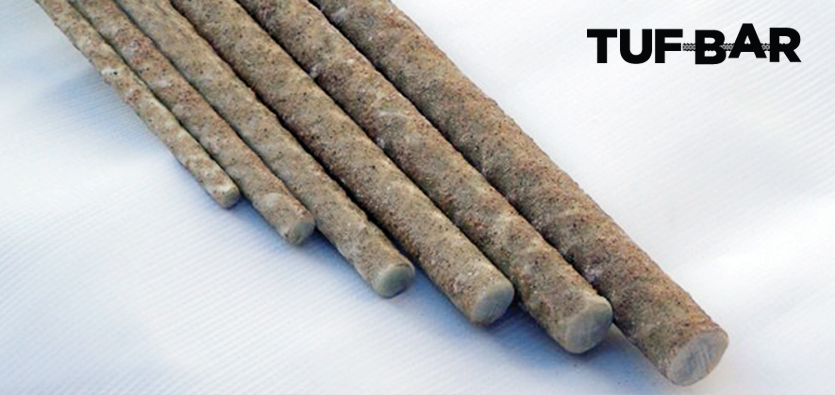
You can purchase fiberglass rebar in a variety of shapes and grades: bent bars, straight bars, columns, piling cages, spiral, rectangular, etc. Custom bars can be manufactured to meet your unique requirements. Contact us today for more information.

Featured

Fiberglass Rebar Market for 2020

Recently a report was released when it comes to the fiberglass rebar market or commonly known as the FRP market. As we look into 2020 the fiberglass rebar market is set to make large increases in Global Markets. Currently, the applications that use Fiberglass Rebar are Construction, Electrical Isolation, Industrial, Marine, and others. FRP use takes place in many infrastructure projects, especially with the replacement of epoxy coated and steel, combined with the long-lasting value of FRP over other product types. These benefits include lightweight, corrosion resistance, lower maintenance, and easy installation.

fiberglass rebar market 2020, fibreglass rebar
Image Source: https://www.industryarc.com/Report/15863/frp-rebar-market.html

As seen above the fiberglass rebar market in USD Million from 2014 continued into 2020. The market will continue to jump ahead into 2020. Especially with high demands in not only the United States but the Asia Pacific Markets ad Urbanization continues to increase in these markets.

The new Carbon Fiber Reinforced Polymer Rebar Market Report for 2019-2026 has been released and is currently available. It states that the Fiberglass Rebar or Carbon Reinforced Polymer rebar market is set to increase over the next 5 years. You can get the full report here. https://www.marketstudyreport.com/request-a-sample/1550705?utm_source=Marketwatch-Ram

This report provides analysis for the market ahead and the changing competitive dynamics. What will drive the industry to grow and constraining factors as well over the next six years. It helps in understanding the key product segments and their future. It also gives a look into which regions have higher advantages than others, as well as the rate of success in each region. This report helps to make informed business decisions by having complete insights of market and by making in-depth analysis of market segments

Space Market Now talks about the report and mentions BP Composites, TUF-BAR’s former name as a key player.

Fiberglass Rebar Infrastructure in Extreme Weather Conditions

fiberglass rebar in winter conditions and harsh weather. Fiberglass rebar in bridge construction.

With unpredictable and extreme weather conditions especially in Canada, the need for resilient infrastructure has never been more critical. Fiberglass rebar demonstrates exceptional performance in harsh winter conditions, making it a preferred choice for construction projects in cold climates. Unlike traditional steel reinforcement, fiberglass rebar does not corrode or rust, providing unparalleled durability and longevity even when exposed to extreme temperatures, moisture, and de-icing salts commonly used in winter road maintenance. Fiberglass rebar is a great choice for the durability and resilience of structures in the face of severe weather conditions and natural disasters.

Understanding Fiberglass Rebar

Fiberglass rebar, also known as GFRP (Glass Fiber Reinforced Polymer) rebar, is a construction material made from high-strength glass fibers embedded in a polymer matrix. Unlike traditional steel reinforcement, fiberglass rebar is non-corrosive, lightweight, and possesses impressive tensile strength. These characteristics make it an ideal candidate for ensuring the longevity and structural integrity of buildings and infrastructure, especially in regions prone to extreme weather conditions.

Resisting Corrosion

One of the primary challenges faced by traditional steel reinforcement is corrosion, particularly in areas exposed to harsh weather and high humidity. Fiberglass rebar, being non-metallic, is immune to corrosion, ensuring that structures maintain their strength and durability over time. This resistance to corrosion is a game-changer, especially in coastal regions where saltwater exposure poses a significant threat to traditional steel.

Lightweight and High Tensile Strength

Fiberglass rebar’s lightweight nature simplifies construction processes and reduces the overall weight of the structure, making it particularly advantageous in seismic zones. Despite its lightweight, fiberglass rebar boasts exceptional tensile strength, often surpassing that of steel. This combination of attributes allows for the creation of resilient structures capable of withstanding extreme weather events and seismic activities.

Flexibility and Adaptability

Extreme weather conditions often subject structures to dynamic forces, such as strong winds, earthquakes, or heavy rainfall. Fiberglass rebar’s flexibility allows structures to withstand these forces, preventing cracking and enhancing overall resilience. This adaptability is crucial in regions prone to hurricanes, tornadoes, or other natural disasters, where the ability to absorb and distribute stress is vital for structural integrity.

Case Studies and Real-World Applications

Several successful projects around the world have already showcased the effectiveness of fiberglass rebar in enhancing resilience. From bridges in hurricane-prone areas to high-rise buildings in earthquake zones, to the ability to not loose tensile strength in extreme hot or cold temperatures; the use of fiberglass rebar has demonstrated its ability to mitigate damage and ensure the longevity of structures under extreme conditions.

Read More – TUF-BAR Fiberglass rebar projects

As we continue to experience increasing frequency and intensity of extreme weather events, the importance of resilient infrastructure cannot be overstated. Fiberglass rebar is a forward-thinking solution, offering corrosion resistance, high tensile strength, flexibility, and adaptability. Incorporating fiberglass rebar into innovative material into construction practices, we can build structures that not only withstand the challenges posed by climate change but also contribute to a more sustainable and resilient future for our communities. As the demand for durable and weather-resistant infrastructure continues to grow, fiberglass rebar stands as a top choice for infrastructure projects. Contact TUF-BAR to learn more about fiberglass rebar products or fiberglass licensing opportunities.

TUF-BAR Canada Background Information | Video

TUF-BAR has been developing and producing Fiberglass rebar since 1998. Learn more about our company and our products.

Background Information

In 1995 the Canadian Government National Research Council (NRC) formed a research team (SIMTReC) to find a solution to the crumbling infrastructure of North America.

In 1998, BP Automation developed a threaded fibreglass rebar for mining applications.

In 2000, BP Composites was formed to supply the mining industry threaded fiberglass rebar rock bolts.

In 2007, NRC (SIMTReC) encouraged BP Composites to develop fiberglass rebar (TUF-BAR) for infrastructure applications.

Company History

1999, Developed and patented GFRP Threaded Rebar manufacturing system

1999, BP Composites (BPC) was incorporated to manufacture GFRP Rebar

2005, BPC developed non-threaded GFRP Rebar (TUF-BAR)

2008, Development of bend technology

2009, Chair Member of National Research Council SIMTReC

2009, BPC launched their 40 GPa GFRP Rebar

2012, BPC launched their 60 GPa GFRP Rebar

2013, BPC moved its operations into its new pilot plant facility

2016, BPC was renamed TUF-BAR Inc. after a rebranding marketing plan

2018, Development of large diameter Dowels

2019, Development of 60 GPA Bend technology

2020, Develop Headed Anchor Bar

Mechanical Properties

(Straight & Bent Bars)

1. Cross-Sectional Area

2. Tensile Strength

3. Modulus of Elasticity

4. Ultimate Elongation

5. Bond Strength

6. Transverse Shear Strength

7. Cold Temperature Tensile Properties

8. Flexural Modulus and Strength

Physical Properties

1. Fibre Content

2. Coefficient of Thermal Expansion

3. Longitudinal & Transverse

4. Density

5. Void Content

6. Water Absorption

7. Cure Ratio

8. Glass Transition Temperature

Durability Properties

1. Alkali Resistance in High pH Solution (60C 3 months 14 pH) With Load or Without Load

2. Creep – Test Creep at 10,000 Hr

3. Creep Rupture Strength – Extrapolate Creep failure to 1 million Hr, Must hold >35% UTS @ 1 million Hr

Fire Rating Building Code

1 Hour Bridges

2 Hours Parking Garage

TUF-BAR Rebar lasted over 3 Hours during both tests for 40 mm concrete cover & 60 mm concrete cover. The fire test was done on full-size bridge deck slabs 228 mm thick. Hydraulic jacks were used to exert 50% of the ultimately allowed load on the decks during the fire test.

GFRP Products

Rebar Sizes #3-#12, 10 mm-38 mm

Coiled #8 bar 1000 meters continuous length

Helical Coils for Piles

Bent Bars, 50 GPA, 60 GPA

complex shapes, stirrups, cages

Lifting Anchors for Precast

Fence Barrier Panel

Rock Bolts

Form Ties

Dowels

For more information watch the full presentation here