Studying The Strength of GFRP-Reinforced Concrete Structures

Studying The Strength of GFRP-Reinforced Concrete Structures

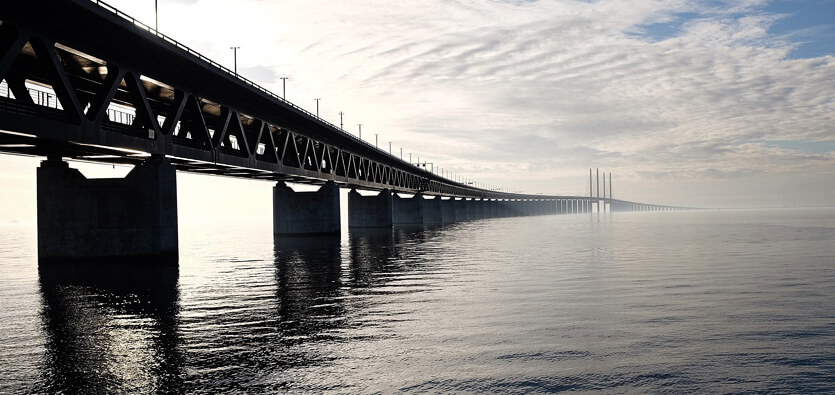
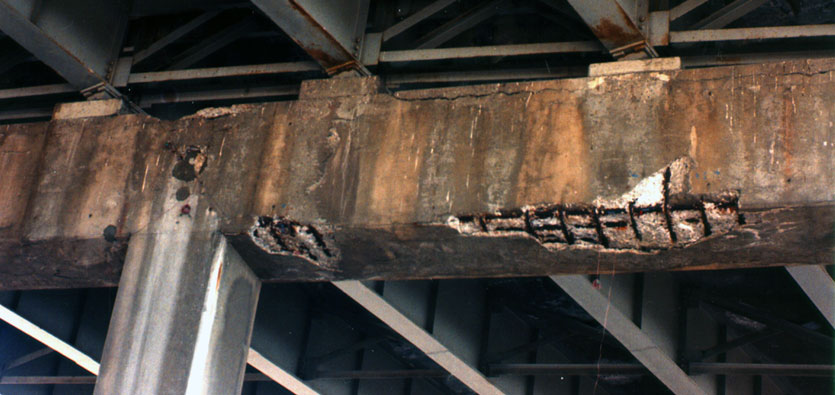
Taking into account the high rehabilitation costs associated with the deterioration of existing concrete structures, mostly a result of steel reinforcement corrosion, the corrosion-free GFRP rebar could provide significant value for RC structures. Fiberglass rebar is now used significantly in many infrastructure applications, including bridge decks, pavements, walls, and other sensitive concrete systems. However, the construction industry is still reluctant to use GFRP reinforcing bars; this reluctance mostly results from the lack of long-term performance data of GFRP rebar embedded in concrete.

Significant research has been performed studying the durability of GFRP concrete reinforcement by measuring the reduction of mechanical properties after exposure to various environments. A study was recently conducted to examine the durability of GFRP reinforcement in concrete in different field structures across Canada. The purpose of the study was to uncover the true potential of GFRP composites and demonstrate the performance of GFRP reinforcement under harsh environments. To accomplish this, cores of concrete reinforced with GFRP were removed and examined from five different field structures.

In order to determine the condition of GFRP after being subjected to the corrosive environment of concrete for 5 to 8 years, researchers used techniques including optical microscopy, infrared spectroscopy, differential scanning calorimetry, and energy disruptive x-ray. As expected, results showed that no deterioration of GFRP reinforcement took place in any of the field structure. No sign of chemical degradation process was found. The overall results indicate that GFRP reinforcement is ideal for environments where traditional reinforcement can deteriorate quickly.

GFRP is now considered as a preferred material for concrete reinforcement in North America because of its corrosion resistance, economical competitive advantage, electromagnetic neutrality, high strength-to-weight ratio and excellent fatigue performance. The availability of in-practice data will further expand the scope of advanced composites in structural engineering.

In contrast with the results mentioned above, the results from other studies showed no physical or mechanical deterioration in the fiberglass rebar after 5-years of exposure to an extremely corrosive environment.

RC structures built with traditional steel offer the expected life of about 40 years in a corrosive environment, such as highway bridges with exposure to deicing salt ad waterside facilities. In marine structures, the corrosion of steel reinforcement leads to the rapid deterioration and loss of serviceability. As the corrosion of steel reinforcement has been a serious problem in infrastructural engineering, the use of corrosion-resistant GFRP reinforcement can permanently fix this issue. The replacement of steel with maintenance-free GFRP bar can save the construction industry billions of dollars every year.

TUF-BAR has been striving to design, manufacture and sell construction materials that can withstand the toughest environments and offer the service life of over 100 years. Our products include fiberglass rebar, rock bolts, concrete anchors, and form ties. Visit our site for more information.
Seismic Rehabilitation of RC Bridge Columns

Seismic Rehabilitation of RC Bridge Columns

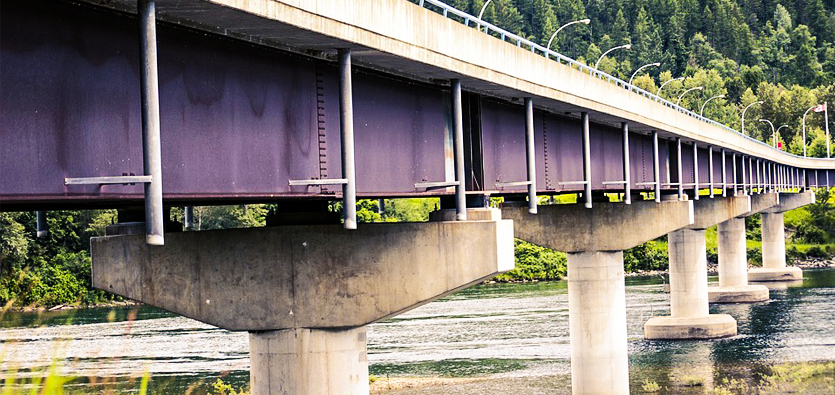
Most of the bridges in the North America were built before the earthquake design procedures were developed and implemented. The contemporary seismic design practices of RC structures encourage the use of adequate means to prevent premature failure of members subject to inelastic cyclic loading. Recent earthquakes have repeatedly highlighted the vulnerabilities of the corroded and old RC bridges to seismic deformation demands.

The term seismic retrofitting refers to structural upgradation designed to enhance the resistance of an existing concrete member to seismic loads. The analysis and evaluation of a structure highlights the shortcomings which prevent the structure from performing and fulfilling established seismic standards. The rehabilitation process is then designed to upgrade a structure in terms of seismic response.

When bridges are evaluated, it is defined whether or not the bridge is functional and does its intended job. If a bridge structure cannot handle weight, traffic volume and speed or lacks in terms of safety, it is considered as structurally deficient. The implementation of corrosion control systems and seismic rehabilitation can extend the service life of a bridge.

The use of fiber reinforced polymer (FRP) is becoming increasingly common in the development of new concrete structures. However, reinforcement corrosion and structurally deficient structures represent one of the longstanding structural challenges. The composite materials (FRP) are high-performance materials that can be used for seismic rehabilitation of reinforced concrete bridge columns. The favorable properties of composite materials and appropriate seismic strengthening practices can enable a bridge to withstand heavy earthquakes. This is why seismic rehabilitation of old bridges is largely performed using FRP materials.

Related: The Application of FRP Composites in Bridge Structures

Why FRP composites for seismic rehabilitation?

Seismic vulnerabilities of bridge structures constructed prior to 1970 have become evident following the major earthquakes. This put extra strain on the construction industry to upgrade deficient bridges which comprise a major portion of civil infrastructure in North America. Following are some of the factors that justify the use of FRP composite in bridge rehabilitation applications:

  • High strength-to-weight ratio
  • High stiffness-to-weight ratio
  • The ease of production, handling, and installation of FRP wraps
  • Minimal disruption to traffic
  • Corrosion resistance of FRP protects the inner reinforcement against further corrosion
  • FRPs do not reduce the clear height of a bridge
  • Reduced maintenance cost
  • The properties of FRP can be tailored for unique applications

The concrete infrastructure has been adversely affected by corrosion and weathering over the past three decades. Highway concrete bridges, in particular, experience premature structural decay as a result of heavy seismic activities and steel reinforcement corrosion. Because of enormous rehabilitation cost, FRP materials are being increasingly used in new bridge applications.

About Tuf-Bar

Tuf-Bar is an innovative producer and seller of GFRP fiberglass rebar in North America where we design and manufacture sustainable construction materials that can be used for both new and rehabilitation applications. Our products include fiberglass rebar, concrete anchors, rock bolts, and form ties. Visit our site to explore how advanced composites can help you build durable RC structures.

Studying The Performance of Structural Concrete Reinforced With GFRP

Studying The Performance of Structural Concrete Reinforced With GFRP

Rapid degradation and corrosion of steel reinforcement has been a major concern in North America. Following the infrastructure crisis, the use of fiber reinforced polymer (FRP) and its variants as an alternative to steel has gained popularity due to the ability of FRP composites to fight corrosion. Concrete structures such as bridges and seawalls are subjected to aggressive environmental conditions where it is hard to stop corrosion process using old-fashioned techniques. Concrete bridges also have to resist the impact and dynamic loads.

Researchers have conducted a number of experimental investigation programs to study the behavior of beam-columns joints reinforced with GFRP fiberglass rebar and strips. The major purpose of those studies was to investigate the performance of GFRP reinforcement and compare it to that of steel reinforcement.

There is a broad range of possible applications of unidirectional FRP grid-reinforced structures. The applications include barrier walls, water tanks, curtain walls, tunnel lining, and bridge decks. FRP grids offer a number of advantages ranging from fatigue resistance to high durability. FRP composites are lightweight and can be manufactured in accordance with the requirements of a project. Reduction in assembly work at sites can reduce the cost of a project. FRP grids is an excellent reinforcement solution for offshore or coastal concrete structures.

Corrosion of traditional reinforcement is considered the primary cause of deterioration of concrete infrastructure. We know how expensive it is to repair or rehabilitate the structurally deficient structures. According to an estimate, more than 40% of the global production of steel is used to fix corrosion related issues.

Electromagnetic neutrality is another reason why FRP composites are gaining attention from the civil engineering community. Sensitive structures such as hospitals, military facilities, and scientific research centers require a nonmagnetic environment with no metallic reinforcement. GFRP rebar is a non-metallic product that offers electromagnetic neutrality. This has led to the increasing use of GFRP reinforcement in waterside and other critical applications. Moreover, GFRP reinforcement makes it easy to embed fiber optic strain measurement devices. Measurement devices or sensors are critical so far as monitoring process is concerned.

Composite materials will play an important role in building sustainable concrete infrastructure. Unique and favorable characteristics make GFRP rebar suitable for applications where steel cannot meet sustainability requirements.

Detailed experimental studies conclude that GFRP-reinforced concrete structures have been performing extremely well under aggressive environmental conditions. It’s high time to explore the true potential of these innovative and promising construction materials.

At Tuf-Bar, we have been striving to design and manufacture high-quality, corrosion-free construction products for many years. Being a leading producer and seller of GFRP fiberglass rebar in Canada, our prime focus is to build and strengthen the concrete infrastructure through durable, maintenance-free solutions. Reach us to know more about our GFRP products!

How To Protect Concrete Tanks In Water And Wastewater Treatment Facilities

How To Protect Concrete Tanks In Water And Wastewater Treatment Facilities

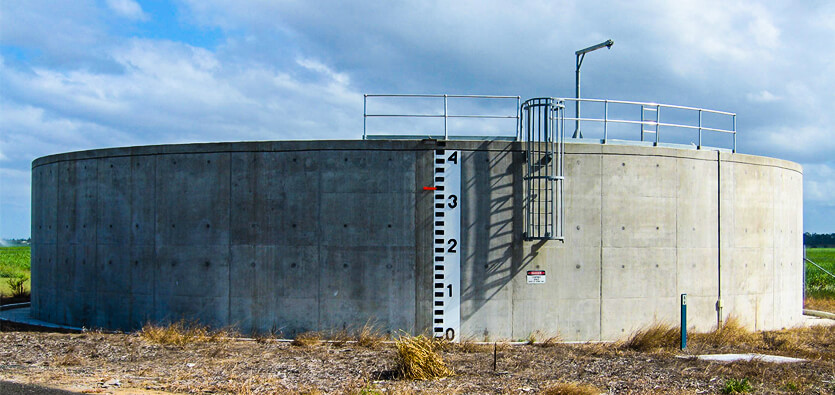
Concrete is an incredible building material which engineers have been using for centuries to build all kinds of structures. The civil engineers started using reinforced concrete in the 1800s. Since that time, the construction industry has taken full advantage of reinforced concrete and its properties. Wastewater tanks and other water management facilities are largely built with reinforced concrete.

Unfortunately, the use of steel as concrete reinforcement gave birth to a new problem called corrosion. The corrosion of reinforcement can seriously affect the durability and service life of a structure. When the steel reinforcement corrodes, it can lead to cracking and spalling. The concrete spalling and cracking not only allow deleterious elements to penetrate through concrete but also damage the structural integrity.

Water treatment facilities are sensitive structures subject to the harsh environment. Freeze-thaw, abrasion, and chemical attacks are some of the reasons why waterside structures corrode. The ideal technique is to reinforce water tanks with corrosion-free materials such as fiber reinforced polymer (FRP). There are thousands of water tanks built with traditional materials in the 70s. As these tanks enter their fourth and fifth decade of service, the deterioration of the reinforced steel starts to become apparent. The damaged layer of concrete accelerates the deterioration process as corrosive elements easily find a way into the concrete.

As mentioned earlier, corrosion is the most common cause of deterioration of concrete tanks. The steel reinforcement corrodes in the presence of oxygen and moisture. In the water treatment facilities, chlorides in the contained water enter through the concrete and damage the passivating layer, a natural protective oxide layer around the reinforcement. The quality of concrete also plays a crucial role in protecting the reinforcement from an aggressive environment.

For structures that contain wastewater, the reinforcing rebar must be able to withstand the harmful effects of the particular chemicals present in the contained water. Coating is a traditional method engineers use to protect concrete. However, traditional materials and construction techniques cannot adequately address the aggressive environment and corrosive agents. Municipalities around the globe spend heavy resources to replace and rehabilitate corroded RC tanks.

Traditionally reinforced concrete tanks have been largely used in municipal and industrial facilities for water treatment plants for years. There are three major kinds of water tanks; underground tanks, tank resting on the ground, and elevated tanks. The underground tank is the most common type used in wastewater treatment plant. The design of these tanks requires attention when it comes to corrosion of steel reinforcement, crack control, and strength requirements.

Researchers and structural engineers are looking for innovative and sustainable solutions that can provide longer service life with minimum maintenance and repair. The FRP reinforcing bars is one such innovation which is rapidly becoming a promising alternative for RC water tanks. Because of corrosion resistance, cost-effectiveness, and improved strength, FRP composites have turned out to be a great alternative to steel reinforcement. Zero corrosion, superior tensile strength, neutrality to electrical and magnetic disturbances, and high strength-to-weight ratio make GFRP rebar a perfect material for water tanks and other sensitive waterside concrete structures.

Related: The Application of GFRP Rebar in Water Facilities: A Case Study

TUF-BAR is one of the largest producer and seller of GFRP fiberglass rebar in North America. Being a proud member of Canada Green Building Council, we focus on producing environment-friendly and sustainable construction products which include fiberglass rebar, rock bolts, form ties, and concrete anchors. Visit our site to know more about our products and their applications.

Marine Structures And Growing Challenges

Marine Structures And Growing Challenges

Seawater is an aggressive environment where concrete infrastructure such as seawalls, jetties, and water tanks deteriorate quickly. Corrosion of steel reinforcement or disintegration of concrete is the sign of deterioration of concrete structures. There is a number of factors affecting the deterioration of reinforced concrete in an aggressive environment. The ultimate service life of a structure and the severity of corrosion attacks depend on the environment in which a concrete member is situated.

Corrosion of steel reinforcement is one of the leading reasons why RC structures fail in marine environments. Water and salt ions penetrate through concrete cover and develop contact with internal reinforcement. This process leads to oxidation and corrosion of the rebar. Chloride-induced corrosion of reinforcement is considered as the leading cause of deterioration of concrete. The rust occupies volume and creates tensile stresses in the concrete which ultimately leads to spalling and cracking.

The sustainability and durability of RC structures particularly in marine environments remain a matter of big concern despite extensive research programs and many years of practical experience with reinforced and prestressed concrete. There are hundreds of examples of modern, steel-reinforced members that show signs of rebar deterioration providing with likely shorter serviceable lives than might be expected. In the coastal environment, corrosion of reinforcement is usually observed already after a few years and cracking/spalling of concrete occurs within 1-3 decades.

Most of the concrete deterioration has been linked to the excessive use of de-icing salts causing either salt frost attack on the concrete surface or reinforcement corrosion. Traditional rebar, no matter the protective layers or coating, cannot withstand the impact of de-icing salts and harsh coastal environments.

Sustainable marine infrastructure demands high-quality, corrosion-resistant materials. Fiber reinforced polymer (FRP) is the construction material which is not only high in tensile strength but also corrosion-resistant. FRP usually consists of fibers and polymer resin matrix. The glass fibers function as the reinforcement providing tensile strength, while, on the other hand, the resin surrounds the fibers providing corrosive resistance to the composite system.

The civil engineers are now increasingly adopting FRP technology to fight corrosion in marine structures. FRP composites have been used extensively in the recreational boating industry for more than 30 years. We are now beginning to see applications for more widespread uses of FRP in larger marine structures.

FRP composites can play a crucial role in building sustainable and maintenance free marine structures. Countries like the US and Canada cannot undermine the significance of marine infrastructure. Thorough planning and corrosion-free construction strategies can save these countries billions of dollars every year. The construction industry now clearly understands how costly it is to repair or rehabilitate deteriorated concrete members.

Rehabilitation of corroded and deteriorated members is a very expensive activity. In order to avoid costly maintenance and repair, the construction industry should start exploring and using FRP materials at large scale.

TUF-BAR designs and manufactures fiberglass rebar which is a stronger and lighter alternative to conventional steel. Our GFRP products including fiberglass rebar are specified for use in bridges, dams, barrier walls, tunneling and other sensitive marine applications. Visit our site for more information!

Costly Corrosion and Modern Construction Solutions

Costly Corrosion and Modern Construction Solutions

Corrosion is a universal phenomenon which is generally described as the deterioration of a material when it reacts with its surroundings. It is a natural process that takes place when refined metals start returning to a more stable compound. During that process, engineered materials disintegrate into its constituents atoms. The process is also called rusting.

In the presence of oxygen and water, electrochemical oxidation of metal occurs leading to rust and corrosion. Metal reinforcement used in underwater concrete pillars experiences a different form of corrosion where iron and chlorine create a reaction.

Every concrete structure has to survive in a unique environment. It is the corrosive elements that make an environment hostile and conducive to rust. Acidic soil, humidity, chlorides, alkaline and fog are some of the elements that make it hard for a concrete member to achieve its expected service life. Countries such as the US and Canada have a variety of environments and soil conditions, mostly corrosion conducive. Concrete members reinforced with traditional steel cannot withstand an environment where high acidity, salts, moisture content, and high electrical conductivity are in abundance.

We cannot limit corrosive conditions to certain boundaries; acid rain damages the environment and leads to corrosion damage beyond boundaries. Industrial pollution is also one of the factors that cause and accelerate corrosion. Governments spend trillions of dollars as annual corrosion-related costs. The construction industry has already tried many techniques such as, surface treatment, costly metals and coatings to fight corrosion. None of the traditional material and technique could sustainably resolve this long-standing issue. How can modern construction materials help civil engineers eliminate costly corrosion?

The composite materials also called fiberglass reinforced polymers (FRPs) are being widely used in military and aerospace industries where corrosion is a big concern. Following the success in previous applications, composite materials have produced incredible results in civil engineering applications. FRPs have emerged as the only sustainable solution to concrete deterioration-related problems. They are corrosion-resistant, high in tensile strength, and lightweight materials that can help structures achieve the service life of 100+ years. The unique and advantageous properties of FRPs have completely outperformed traditional steel.

FRP composites, especially GFRP reinforcement, are safe and reliable construction solutions, capable of fighting corrosive conditions in various types of environments. Being a thoroughly tested and proven technology, GFRP rebar can provide sensitive concrete structures with an extended service life with minimum maintenance. This is the main reason why composite rebar and accessories are now being increasingly used in new and rehabilitation applications. Moreover, the properties of FRP materials can be customized depending on the nature of an application.

TUF-BAR is one of the few GFRP rebar producers and sellers in the world. We produce fiberglass rebar and accessories using our proprietary patented pultrusion manufacturing process. Our products include fiberglass rebar, rock bolts, anchors, and form ties. Contact us to discuss your project and requirements!